What Is a PVC Film Printing Machine?
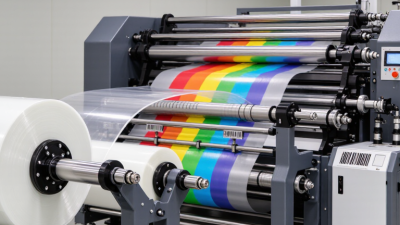
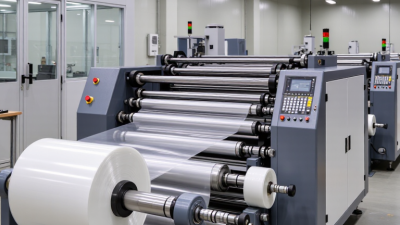
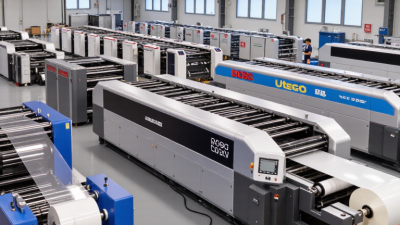
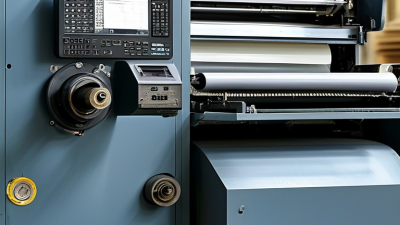
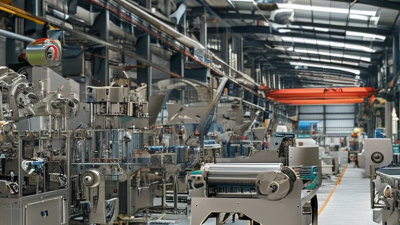
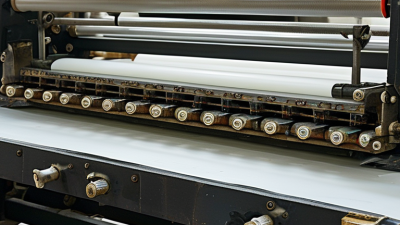
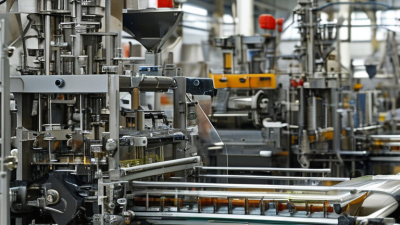
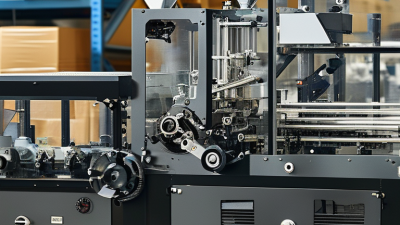
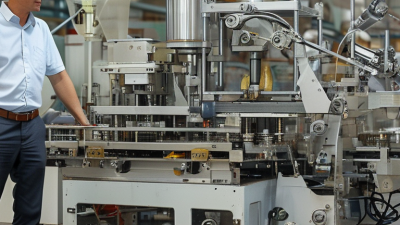
A PVC film printing machine is basically a system built to print images, colors, and text onto polyvinyl chloride films. Depending on what you’re working with, it might use different printing tech—like gravure, flexo, or even digital printing. The choice really depends on the film's thickness, surface finish, the type of ink you're using, and how much you're planning to produce.
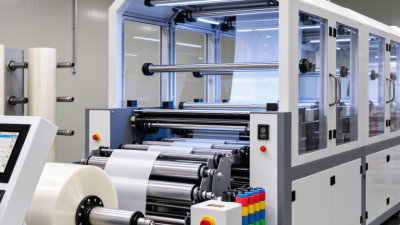
Frank Romano, a well-respected expert in the field of printing and a former professor at Rochester Institute of Technology, once said, “The future of printing is digital.” That’s a pretty interesting point to keep in mind here, even though PVC printing isn’t purely digital. Modern machines from brands like Bobst, Windmöller & Hölscher, and Mark Andy mix automation with experience—meaning, skilled operators are still super important. These machines handle web tension, registration, ink delivery, drying, and rewinding all in one go. But even tiny mistakes—like a misaligned register or uneven tension—can cause visible issues, like color bands or blurry edges.
Now, there’s a practical aspect to all this.
Before you start printing, many PVC films need a little prep work. Typically, that's corona treatment, which helps the ink stick better to the smooth plastic surface. Operators also check things like ink viscosity, the condition of the anilox roll, curing temperature, and ventilation. Sounds kind of technical, right? But all those details really matter because they directly affect how durable and good-looking the final print will be.
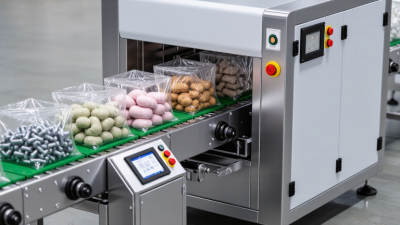
A PVC film printing machine isn’t just about printing fast. It’s part of a bigger, connected process of converting materials. You can use it to produce decorative films, labels, wall coverings, packaging parts, or industrial graphics. But here’s the thing—buying the best equipment doesn’t automatically guarantee perfect results. The quality of the film, ink compatibility, regular maintenance, and well-trained staff are just as crucial.
And, if I’m honest, that’s where things get a little tricky. A high-speed machine might save on labor costs, but it can also amplify setup errors if you’re not careful. On the flip side, a cheaper machine might seem like a good deal, but if it needs more cleaning or faces more downtime, that could end up costing you more in the long run. So, testing things out—doing trial runs, taking sample measurements, and keeping honest quality records—are still your best bet. Those practical steps are worth more than just relying on flashy brochures showing off fancy features.
Read more »