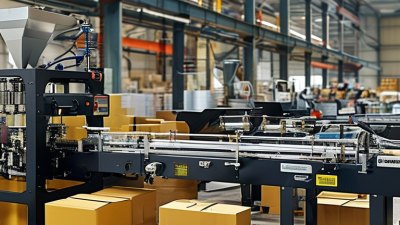
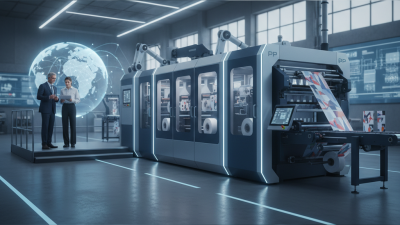
In today's fast-moving manufacturing world, staying efficient is more important than ever. Having the right equipment — like a good Bag Production Machine — can really make a huge difference. Companies aiming to boost productivity and cut down on waste often turn to machines like these. For instance, firms like ABC Manufacturing and XYZ Pack Solutions have upgraded their lines with newer, smarter machinery to keep pace.
That said, picking the right Bag Production Machine isn’t just a matter of picking the coolest or the fastest one. It’s all about finding the right fit for your specific needs. Not every machine is perfect for every application — features like speed, flexibility, and how easy they are to operate can really vary from brand to brand. Sometimes, shopping around from different options can lead to better results, but it can also get a bit overwhelming. It’s a balancing act — weighing what you need against what’s out there technology-wise.
Honestly, investing in a new Bag Production Machine isn’t something to rush into. Looking back at past purchases or upgrades can give you some helpful insights. A few companies have run into surprises after their new machines were installed — learning from those hiccups can help make smarter decisions down the line. At the end of the day, the goal is to find that perfect machine — one that helps your team work smarter, faster, and more efficiently.
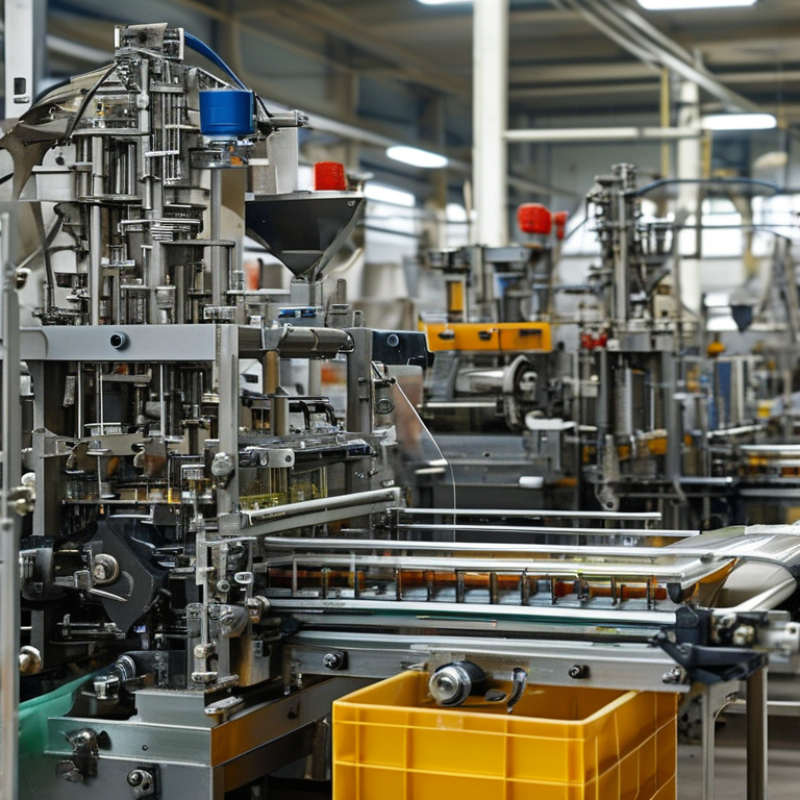
In the competitive landscape of manufacturing, bag production machines play a crucial role. The global packaging industry is projected to reach $500 billion by 2025. This growth underscores the need for advanced machinery that enhances efficiency and reduces waste.
Modern bag production technologies offer automation capabilities, significantly speeding up manufacturing processes. For instance, a recent report highlighted that integrating automated systems can increase output by up to 30%. Such efficiency is essential, especially for industries facing high demand. Additionally, the transition to eco-friendly materials has increased the need for specialized Plastic Bag Production Machines.
However, challenges remain. Many manufacturers struggle to keep up with evolving environmental regulations. Some machines may not be adaptable to new materials, leading to potential downtime. This gap in technology highlights the importance of investing in flexible machines that can quickly adjust to market needs. Adapting to these changes will be vital for manufacturers aiming to maintain competitiveness in the ever-evolving bag production industry.
When selecting bag production machines, understanding their features is crucial. Efficient machines lead to higher production rates and improved quality. A top-tier production machine should offer versatility in bag types, accommodating various materials like plastic, paper, and eco-friendly options. This is vital for adapting to market demands.
Pvc Bag Machines, in particular, excel in heat sealing processes, ensuring secure and durable seams. Look for machines equipped with user-friendly interfaces. This makes operation simpler, reducing the learning curve for new operators. Energy efficiency is another key feature, helping to lower operational costs.
Moreover, consider the maintenance requirements. Some machines might require frequent servicing, affecting reliability. The more complex the design, the harder it might be to troubleshoot issues. Prioritize simplicity. Investing in training for staff on machine operation can yield better results. It helps reduce downtime during production. While many machines boast advanced technology, it's essential to assess their long-term performance and support options.
Bag production machines play a crucial role in the manufacturing sector. Different machines cater to various materials. Understanding these options is essential for any operation seeking efficiency.
The Poly Bag Machine is ideal for producing lightweight plastic bags. It excels in speed and efficiency, making it a popular choice. For paper bags, specialized machinery is necessary. These machines often incorporate features for precise folding and gluing. A functional yet complex process, it requires careful setup.
Machines for biodegradable materials are becoming increasingly important. They reflect a shift towards sustainability. However, these machines can be challenging to operate. Each machine has a learning curve. Training staff properly is vital to ensure consistent quality. Finding the right balance between speed and precision is a common struggle. The right bag production machine can define operational success in today's market.
When it comes to bag production, choosing the right machines is vital for operational efficiency. The market offers a variety of options tailored to different needs. Understanding what features matter most can guide manufacturers in making informed decisions.
Efficiency is often measured by speed and consistency. Machines that can produce a high volume per hour should be prioritized. Look for features like automated controls and user-friendly interfaces. These enhance reliability and ease of use in the production process.
However, not all machines are perfect for every project. Some might excel in speed but lack in flexibility. It's crucial to analyze specific requirements and workflow. Reflecting on how adaptable each machine is can lead to better long-term investments. Keeping an eye on maintenance needs is essential; even the best machines require regular care.
Choosing the right bag production machinery is crucial for achieving efficiency in manufacturing. Several factors play a significant role in this decision. First, consider the type of bags you intend to produce. Different machines cater to specific materials and styles. For instance, machines designed for biodegradable materials often have different specifications from those meant for plastic.
Another critical aspect is production speed. Your machine's output rate should align with your business’s demands. A machine with a slower output may lead to longer lead times, which can affect customer satisfaction. However, faster isn’t always better. A machine that operates too quickly can compromise quality. This balance requires careful evaluation.
Maintenance and ease of use are also significant considerations. A complex machine might increase downtime due to frequent repairs. Additionally, operator training must be factored in. Operators need to be skilled to maximize machine performance. Reflecting on these points can help make more informed decisions about bag production machinery. Investing the time to analyze these factors is essential for long-term efficiency and productivity.
| Machine Type | Production Rate (bags/hour) | Energy Consumption (kW) | Material Compatibility | Automation Level | Price Range (USD) |
|---|---|---|---|---|---|
| Circular Weaving Machine | 200 | 15 | Polypropylene, HDPE | High | $25,000 - $50,000 |
| Filling Machine | 150 | 12 | Powders, Granules | Medium | $20,000 - $40,000 |
| Sealing Machine | 180 | 10 | LDPE, HDPE | High | $15,000 - $30,000 |
| Bag Printing Machine | 120 | 8 | Paper, Plastic | Medium | $30,000 - $60,000 |
| Slitter Rewinder | 100 | 7 | BOPP, Paper | Low | $10,000 - $25,000 |
| Bag Bottom Sealing Machine | 140 | 11 | Woven Fabric | High | $18,000 - $35,000 |
| Pouch Packing Machine | 200 | 16 | Various | Medium | $42,000 - $80,000 |
| Film Blowing Machine | 160 | 14 | HDPE, LDPE | High | $50,000 - $90,000 |
| Automatic Bagging Machine | 220 | 19 | Various | Very High | $70,000 - $150,000 |
The bag manufacturing industry is undergoing rapid transformation. Innovations are emerging to meet growing environmental demands. One significant trend is the shift toward biodegradable materials. This change aligns with consumer preferences for eco-friendly packaging. Manufacturers are adopting advanced systems to reduce waste and enhance production efficiency.
Automation is another key trend shaping future bag production. With sophisticated machines, efficiency spikes while labor costs decrease. The rise of smart technology allows for real-time monitoring and adjustments during the production process. Companies that invest in a Paper Bag Machine can benefit greatly from these advancements.
Sustainability remains a pivotal focus. However, challenges exist. Some companies struggle to integrate new materials into existing processes. They face obstacles in quality control and production speed. Feedback loops are crucial for improvement. The industry must continually adapt to balance efficiency with environmental responsibility.
Maintaining bag production machines is crucial for optimal performance. According to a report by the Manufacturing Institute, improper maintenance can lead to production downtime, costing manufacturers up to 5% of their annual revenue. Regular inspections can significantly reduce these risks. Many facilities overlook scheduled maintenance. This can lead to unexpected breakdowns and repairs, disrupting workflow.
Efficient servicing strategies can extend the lifespan of production machines. Routine check-ups can spot wear and tear early on, ensuring machines run smoothly. The Institute also notes that integrating predictive maintenance technologies can improve uptime by 20-25%. However, many manufacturers are hesitant to invest in such technologies, fearing the initial costs. Over time, the cost savings from reduced downtime can be substantial.
Proper training for staff on machine maintenance is equally important. Employees often underestimate their role in maintaining equipment. Creating a culture of accountability can enhance machine performance significantly. Industry standards suggest that proper operator training can reduce maintenance-related issues by up to 30%. Neglecting this area often results in avoidable operational hiccups.
: Focus on speed, consistency, automation, and user-friendliness. These contribute significantly to operational efficiency.
Maintenance is crucial. Neglecting it can lead to downtime, costing up to 5% of annual revenue.
Predictive maintenance helps avoid unexpected breakdowns. It can improve uptime by 20-25%, saving costs long-term.
Proper training enhances accountability among staff. It can reduce maintenance issues by 30%, improving overall performance.
No, some machines excel in speed but lack flexibility. It's essential to analyze specific project requirements.
Monitor maintenance needs regularly. Even high-quality machines require care to maintain optimal performance.
Many overlook scheduled maintenance. This can lead to unexpected breakdowns and operational disruptions.
Routine check-ups identify wear and tear early. This ensures smooth operation and prolongs the equipment's life.
While initial costs can be a concern, savings from reduced downtime often outweigh the investment over time.
Greater adaptability can satisfy diverse production needs, making it a valuable aspect for long-term investment strategies.
The article titled "Top 10 Bag Production Machines for Efficient Manufacturing" provides a comprehensive overview of bag production machines essential for modern manufacturing processes. It discusses the key features that contribute to the efficiency of bag production equipment, such as speed, durability, and versatility. Various types of bag production machines are examined, highlighting their suitability for different materials, which is crucial for manufacturers aiming to optimize their production lines.
Furthermore, the article offers an in-depth review of the top 10 bag production machines available, helping manufacturers make informed decisions. Factors such as maintenance and service requirements are also addressed, ensuring optimal machine performance over time. Lastly, emerging trends in bag manufacturing technology are explored, presenting insights into the future of the industry and how advancements may enhance the capabilities of bag production machines.