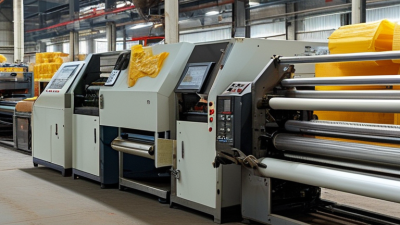
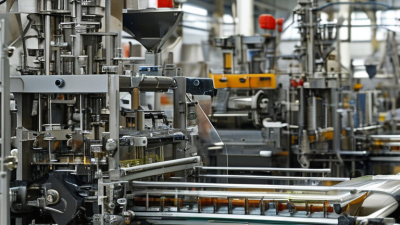
Picking the right printing technology really matters for any business trying to stay ahead. When it comes to that, the Pp Printing Machine definitely catches the eye in a crowded market. As John Smith, a well-known industry insider at Print Innovations, puts it, “The Pp Printing Machine totally transforms how we get things done—better efficiency and top-notch quality, all in one go.” This kind of tech can really change the game for companies looking to produce printed materials more effectively.
Now, one thing’s for sure—this machine is a beast when it comes to high-speed production. It churns out consistent results, cuts down on waste, and lowers the chance of mistakes. Whether you're printing labels, packaging, or marketing materials, you can depend on this machine to boost your operations. But here’s a tip—not all Pp Printing Machines are created equal. It’s super important to pick the right model that suits your specific needs.
Thinking about investing in a Pp Printing Machine? It’s worth doing some homework first. The upfront cost isn’t small, and keeping the machine running smoothly can be a bit of a challenge. But honestly, the long-term gains usually make it worth it. Like John Smith says, “If you invest in good quality tech, it really pays off.” Making a smart, informed choice here could be a real game-changer for your business’s growth.
Advantages of Using PP Printing Machines in Modern Businesses
In today's dynamic business landscape, choosing a PP printing machine offers significant benefits. These machines excel at producing high-quality prints on polypropylene materials. This versatility is crucial for businesses looking to enhance their branding and packaging. According to a recent report by Smithers Pira, the demand for flexible packaging is expected to grow by 4.2% annually through 2026. This trend highlights the importance of efficient printing solutions.
PP printing machines stand out due to their lower operational costs and environmental benefits. Utilizing water-based inks reduces harmful emissions, making them a sustainable choice. Businesses report up to a 30% reduction in waste when using these machines compared to traditional methods. However, it's essential to carefully consider the upfront investment. Some companies may find the initial setup cost daunting. Balancing cost against long-term savings requires thoughtful planning.
Moreover, the speed of production can significantly impact timeliness. PP printing machines can produce results in a fraction of the time compared to older technologies. This advantage translates into quicker turnaround times for clients. Yet, training employees to use advanced technology can create challenges. Businesses must invest in proper training to maximize their equipment's potential and keep operations running smoothly. Embracing this step can lead to greater efficiency down the line.
Advantages of Using PP Printing Machines in Modern Businesses
Understanding the Technology Behind PP Printing Machines
Pp Printing Machine utilize advanced technology that enhances printing quality and efficiency. These machines are designed to print on polypropylene materials, providing durable and vibrant results. The printing process often involves digital or flexographic techniques. Digital printing allows for quick setup and flexibility. Flexographic printing is ideal for large volumes and offers consistent results. Understanding these technologies helps businesses choose the right machine for their needs.
When selecting a PP printing machine, consider production speed and ease of operation. It's essential to assess your business's specific requirements. Not every machine fits every situation. For example, a high-speed machine may not be necessary for smaller print runs. Think about maintenance and support options as well; they can impact long-term reliability.
Tip: Evaluate your printing volume before investing. This can save time and money. Another point to ponder is compatibility with various inks. Some machines perform better with specific ink types. Test different options to find what works best for your materials. This may lead to unexpected improvements in quality or cost efficiency.
Key Features to Look for in a PP Printing Machine
When selecting a PP printing machine, specific features can make a significant difference. Pay attention to print quality, as this impacts the final product's visual appeal. High-resolution output ensures that colors are vibrant and details crisp. This directly affects customer satisfaction and brand reputation. Additionally, consider the machine's speed. Faster printing can enhance productivity, allowing you to meet tight deadlines more efficiently.
Durability is another essential factor. A reliable machine reduces maintenance costs and minimizes downtime. Look for robust construction and dependable components. These elements contribute to the overall efficiency of your printing operations. On the other hand, some machines may promise extensive features but fall short in practice. It's vital to evaluate whether the added functions are genuinely beneficial for your needs.
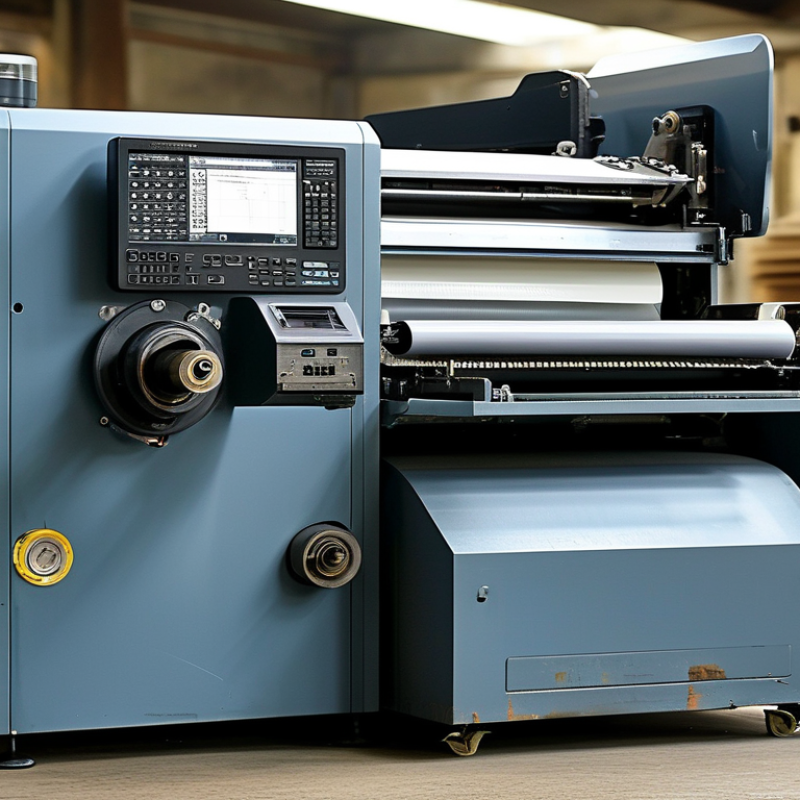
User-friendliness also matters. Intuitive interfaces and easy setup save time and resources. If the machine is challenging to operate, staff may struggle, leading to frustration. Some features may sound impressive but offer little practical value. Focusing on what truly enhances your workflow is crucial. Investing in The Printing Machine that aligns with your specific requirements can yield positive results for your business.
Why Choose PP Printing Machine for Your Business Needs? - Key Features to Look for in a PP Printing Machine
| Feature |
Description |
Benefit |
| High-Speed Printing |
Ability to print multiple sheets per minute |
Increases productivity and reduces turnaround time |
| Precision Printing |
Utilizes advanced technology for accurate color reproduction |
Ensures high-quality prints that meet customer expectations |
| Versatile Media Handling |
Compatible with various media types and sizes |
Allows flexibility in printing different products |
| User-Friendly Interface |
Intuitive controls and touchscreen support |
Reduces training time and enhances operational efficiency |
| Energy Efficiency |
Designed to consume less power during operation |
Lowers operational costs and supports sustainable practices |
Cost-Effectiveness: Investing in Your Printing Needs
Investing in a PP (Polypropylene) printing machine can significantly enhance your business’s efficiency and cost management. Industry reports indicate that businesses utilizing advanced printing systems can lower production costs by up to 30%. This cost-effectiveness stems from reduced material waste and improved operational speed, allowing companies to produce high-quality prints at a fraction of traditional costs.
Moreover, a PP printing machine minimizes the need for multiple setups. This streamlining means businesses can respond to client demands quickly. For instance, recent data highlights that companies embracing modern printing solutions experience a 25% increase in turnaround times. These improvements can lead to faster project completion and ultimately, higher customer satisfaction.
However, the initial investment in technology can be a hurdle for some. It forces businesses to evaluate their financial capability critically. The long-term savings often justify this upfront cost, but careful budgeting is essential. Companies need to reflect on their current workflow to determine if this investment aligns with their growth goals. Understanding your specific printing needs is vital before implementing these advanced solutions.
Applications of PP Printing in Various Industries
PP printing technology is making waves across various industries, proving its versatility and effectiveness. This printing method excels in packaging, textiles, and promotional materials. In the packaging sector, PP printing offers vibrant colors and excellent durability. According to a recent market report, the global packaging market is projected to reach $500 billion by 2025. This highlights the increasing demand for quality packaging solutions across different sectors.
In textiles, PP printing allows for high-resolution designs that meet fashion demands. A study conducted by the Textile Research Journal indicates that digital printing in textiles is expected to grow by 20% annually. This growth showcases the potential for businesses to differentiate their products through customized prints. Promotional items also benefit significantly from PP printing. Businesses can create eye-catching materials that enhance brand visibility.
While the advantages of PP printing are evident, there are challenges to consider. The initial investment can be considerable. Businesses must weigh the costs against potential returns. Additionally, the environmental impact of PP materials is under scrutiny. Sustainability practices need to be integrated to address these concerns. Therefore, companies should continually evaluate their strategies and remain adaptive to industry changes.
Comparing PP Printing Machines with Traditional Printing Methods
When comparing PP printing machines with traditional printing methods, several key advantages emerge. PP printing is often more efficient, offering high-speed production without compromising quality. Traditional methods, such as offset printing, require extensive setup times and materials that can become costly. In a recent industry report, it was noted that businesses using PP printing machines can save up to 30% in production costs. This is attributed to lower material wastage and faster turnaround times.
One drawback of traditional printing is the limitation in substrate options. PP printing allows for a broader range of materials, even synthetic ones. This flexibility enables businesses to create vibrant designs on surfaces that traditional methods cannot accommodate. However, transitioning to PP printing may require initial investment and training, which some companies may find daunting.
To maximize benefits, companies should evaluate their specific needs and production volumes. Assessing current workflows may reveal areas for improvement. Training staff to effectively use new machines is essential. Such investments often lead to greater efficiency and overall productivity. Don’t hesitate to seek guidance from industry experts to ensure a smooth transition.
Maintenance and Support for PP Printing Machines
When considering a PP printing machine, maintenance and support play crucial roles. Regular maintenance ensures optimal performance. It can prevent minor issues from escalating into costly repairs. A well-maintained machine extends its lifespan and enhances printing quality. Neglecting this aspect can lead to unexpected downtime and revenue loss.
Conducting routine inspections is vital. Check for wear and tear on parts. Clean components regularly to maintain efficiency. When problems arise, prompt professional support is essential. Skilled technicians can diagnose issues quickly and effectively. Lack of proper support can leave businesses vulnerable, especially during peak demand.
Tips for maintenance include keeping a log of service activities. Track parts replacement and service dates. This can help in anticipating future needs. Also, invest in quality cleaning supplies. Using improper products can damage the machine. Remember, a well-cared-for PP Printing Machine Bag is integral for seamless operations. Prioritize maintenance for sustained print quality and performance.
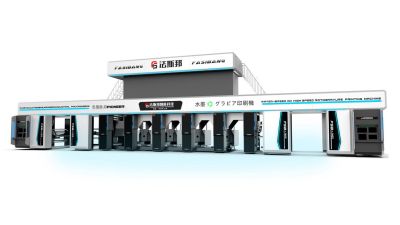
A Comprehensive Overview of the China Electronic Shaft FSB1400: Revolutionizing High-Speed Water-Based Ink Rotogravure Printing
The China Electronic Shaft FSB1400 is at the forefront of revolutionizing high-speed water-based ink rotogravure printing, providing unmatched efficiency and versatility for packaging solutions. This innovative technology allows for rapid production speeds of 1000 to 1400 meters per minute, ensuring manufacturers can meet demanding turnaround times without compromising quality. The FSB1400 is perfect for a plethora of packaging needs, ranging from seafood bags and clothing bags to express bags and advertising bags, making it a game-changer in the packaging industry.
In addition to its impressive speed, the FSB1400 is equipped to handle both water-based and solvent inks, offering flexibility for vibrant and durable designs. This extensive range of ink options caters to the diverse requirements of clients seeking high-quality packaging solutions. With a commitment to excellence, manufacturers can trust that their products will not only look great but also perform well in diverse market conditions, enabling them to maintain a competitive edge in the ever-evolving packaging landscape.
FAQS
: PP printing machines offer high-quality prints, lower operational costs, and environmental benefits using water-based inks.
They can achieve up to a 30% reduction in waste compared to traditional printing methods, improving efficiency.
The initial setup cost can be high, and balancing it with long-term savings needs careful planning.
These machines produce prints much faster, leading to quicker turnaround times for customers.
Proper training is key to maximizing the machine's potential and keeping operations efficient despite initial challenges.
Focus on print quality, speed, durability, and user-friendliness to enhance productivity and reduce frustrations.
No, PP printing can save up to 30% on production costs due to lower material wastage and faster output.
Yes, they can print on a wider range of substrates, even synthetic ones, which traditional methods often cannot.
Initial investment and training can be daunting, but proper evaluation and guidance can ease the process.
Assess specific needs and production volumes while seeking expert advice to align with operational goals.
Conclusion
The article "Why Choose Pp Printing Machine for Your Business Needs?" explores the numerous advantages that PP printing machines bring to modern businesses. It highlights how these machines leverage advanced technology to deliver high-quality prints, making them suitable for a variety of applications across different industries. Key features to consider when investing in a PP printing machine include durability, print speed, and ease of use, all of which contribute to cost-effectiveness for businesses looking to enhance their printing capabilities.
Furthermore, the piece compares PP printing machines with traditional printing methods, showcasing their efficiency and versatility. It also emphasizes the importance of maintenance and support, ensuring that businesses can rely on their printing machines for consistent performance. By choosing a PP printing machine, companies can modernize their printing processes and achieve better results while optimizing their operational costs.